Continuous Shuffling Machines Transform Card Counting Dynamics on Casino Floors
Sofia Schmitt · May 31, 2026
Continuous Shuffling Machines Transform Card Counting Dynamics on Casino Floors
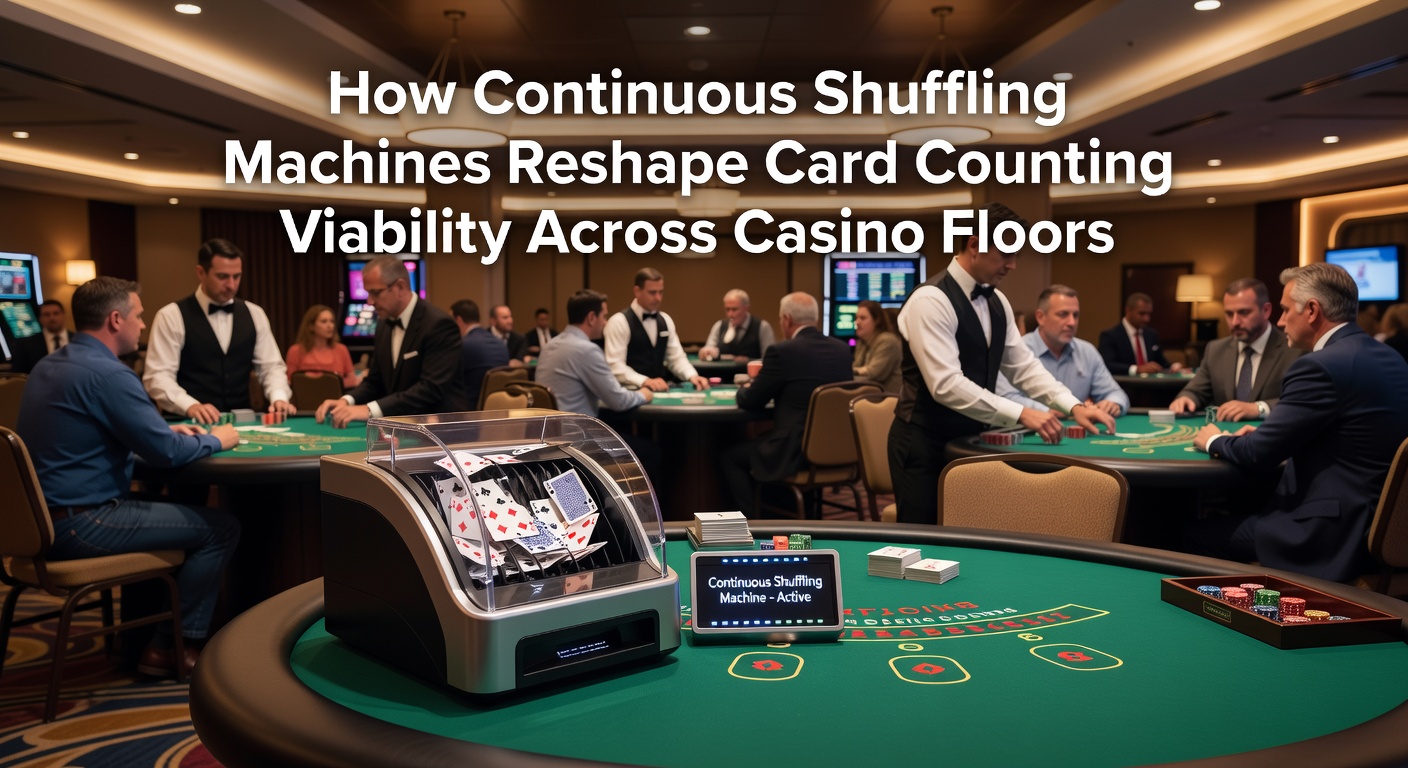
Continuous shuffling machines operate by constantly mixing cards back into the deck during play, and this mechanism directly limits the opportunities for card counters to track remaining high-value cards. Research from gaming technology providers indicates that these devices maintain a near-full deck at all times, which reduces the effectiveness of traditional counting systems that rely on depleted low cards in later rounds.
Mechanics Behind Continuous Shufflers
Operators install these machines primarily in multi-deck blackjack games where manual shuffling would otherwise create predictable patterns, and the automated process pulls played cards into a chamber while randomly reinserting them into the active shoe. Data from casino equipment manufacturers shows that this cycle occurs every few hands, preventing the kind of deep penetration that counters exploit in hand-shuffled games. Observers note that the technology first appeared in the late 1990s as a response to widespread counting teams documented in industry reports.
Impact on Traditional Counting Methods
Card counting strategies such as the Hi-Lo system depend on monitoring the ratio of high to low cards as the deck progresses, yet continuous shufflers disrupt this progression by returning discards almost immediately. Studies conducted by university researchers in gaming mathematics reveal that the house edge remains stable around 0.5 percent even when players attempt basic counting adjustments, because the effective deck composition resets constantly. Those who've analyzed simulation data find that edge opportunities shrink dramatically compared to six-deck shoes with 75 percent penetration rates common in earlier decades.
Regional Adoption Patterns
Casinos across North America and parts of Asia have integrated continuous shufflers at higher rates since 2015, according to reports from equipment suppliers, while European venues maintain more varied approaches tied to local regulations. Figures from the Nevada Gaming Control Board document increased deployment in Las Vegas Strip properties, where floor managers cite reduced labor costs alongside security benefits. In contrast, some Australian gaming authorities track slower adoption rates that preserve limited manual shuffle options in select high-limit areas.
Players attempting to adapt often shift toward shuffle-tracking techniques that follow specific card clumps, but these methods require visual access that machines largely eliminate. Evidence from field observations at multiple properties suggests that teams attempting such workarounds encounter detection systems calibrated to flag irregular betting patterns more quickly when shufflers are present.
Adjustments in Player and Casino Strategies
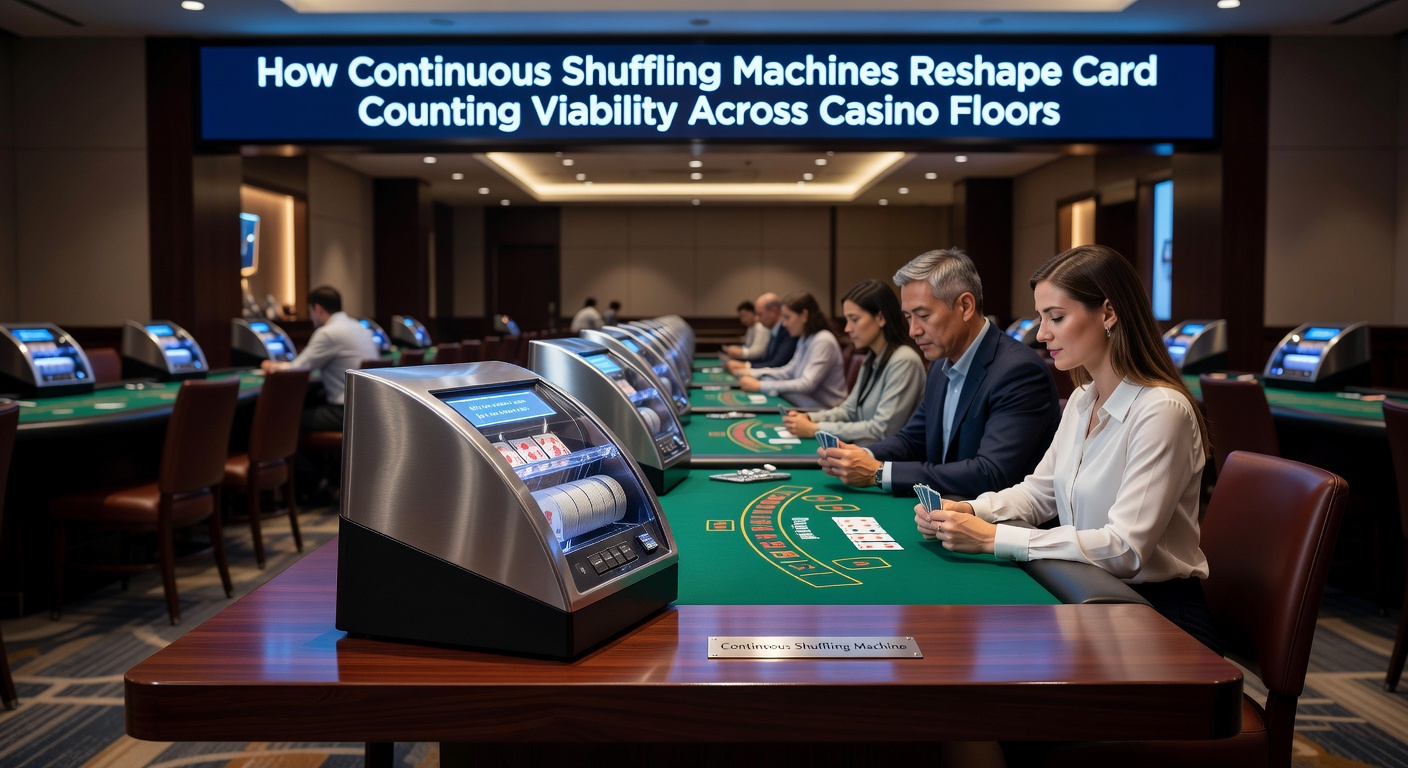
Modern counters respond by targeting tables without continuous devices, and industry analysts report that such tables now cluster in designated high-roller pits or during specific promotional periods. Research indicates that casinos balance this by offering occasional hand-shuffled games to attract premium players while routing standard floors toward automated systems. What's notable is how these choices create segmented environments where counting viability persists only in narrow pockets rather than across entire properties.
Training programs for dealers and supervisors incorporate modules on identifying potential counters even under continuous shuffle conditions, and data from internal audits show that such training correlates with earlier intervention in suspicious play. Those monitoring long-term trends note that overall table-game revenue has remained steady despite the technological shift, suggesting that player volume compensates for any individual edge reduction.
Technological Evolution and Future Considerations
Manufacturers continue refining sensor integration within continuous shufflers to detect card marking or other tampering attempts, and these upgrades further complicate advanced player techniques. Reports from independent testing laboratories confirm that newer models achieve randomization standards exceeding earlier versions, which aligns with regulatory requirements in multiple jurisdictions. Observers tracking equipment trends see potential convergence with RFID-enabled cards that could provide real-time tracking data directly to surveillance teams.
Academic papers on probability modeling demonstrate that the statistical variance available to counters diminishes substantially once shuffling intervals drop below five hands, and this finding influences both casino purchasing decisions and player education resources. The reality is that continuous shuffling machines have established themselves as standard infrastructure rather than temporary countermeasures.
Conclusion
Continuous shuffling machines have systematically narrowed the window for card counting success by maintaining consistent deck composition throughout play sessions. Data from regulatory bodies and equipment studies confirm widespread implementation across major markets, with measurable effects on both house edges and player strategy viability. Those monitoring casino operations observe that the technology integrates seamlessly with broader security protocols, creating environments where traditional advantage play faces structural barriers that earlier manual systems did not impose.